


As a supplier of 8 In A Pack Chalk Markers, I've been frequently asked whether our markers can be used on rubber. This question is not only relevant to our customers' practical needs but also reflects the diverse applications of our products. In this blog, I'll delve into the science behind chalk markers and their compatibility with rubber surfaces, providing you with a comprehensive understanding of this topic.
Understanding Chalk Markers
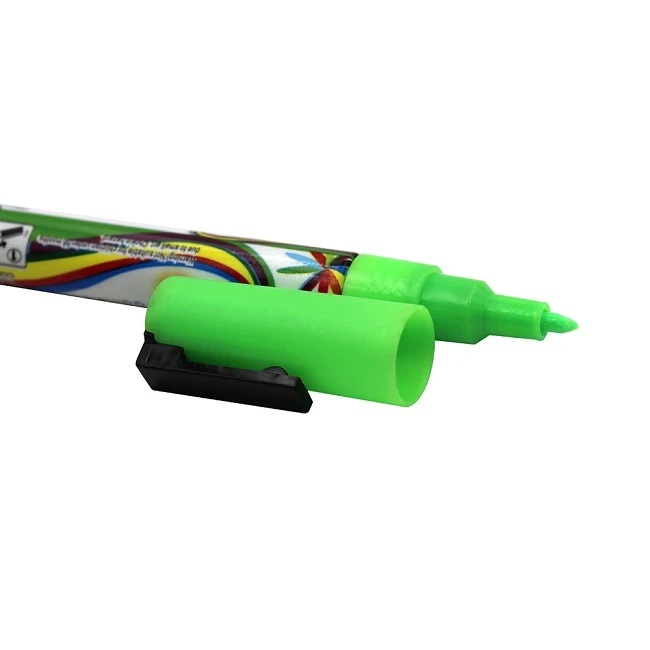
Chalk markers, also known as liquid chalk markers, are a type of writing instrument that uses liquid ink instead of traditional chalk. They are popular for their vibrant colors, easy application, and erasability. Our 8 In A Pack Chalk Markers come in a variety of colors, allowing users to create eye - catching designs on various surfaces.
The ink in chalk markers is typically water - based, which gives it several advantages. It dries quickly, is non - toxic, and can be easily wiped off most non - porous surfaces. However, the key to its performance lies in its ability to adhere to the surface while still being removable.
Rubber Surfaces: Characteristics and Challenges
Rubber is a unique material with distinct properties. It is flexible, elastic, and has a relatively smooth surface. The smoothness of rubber can pose a challenge for ink adhesion, as there are fewer pores for the ink to penetrate compared to porous materials like paper or chalkboards.

Moreover, rubber can be sensitive to certain chemicals. Some inks may react with the rubber, causing discoloration, degradation, or leaving a permanent stain. Therefore, it's crucial to test the chalk marker on a small, inconspicuous area of the rubber surface before full - scale use.
Can 8 In A Pack Chalk Markers Be Used on Rubber?
The answer is, it depends. Our 8 In A Pack Chalk Markers can potentially be used on rubber, but the results may vary based on several factors.
Surface Type
There are different types of rubber, such as natural rubber, synthetic rubber, and silicone rubber. Each type has its own surface characteristics. For example, silicone rubber is known for its low surface energy, which means it is more difficult for the ink to adhere to. On the other hand, some treated or textured rubber surfaces may provide better adhesion for the chalk marker ink.
Ink Composition
Our chalk markers use a high - quality water - based ink formula. This ink is designed to be versatile and work on a wide range of surfaces. However, the rubber's interaction with the ink depends on the specific chemical makeup of the rubber and the ink. In general, the water - based nature of our ink reduces the risk of chemical reactions with the rubber, but it also means that the adhesion may not be as strong as on some other surfaces.
Application and Durability
When using the chalk marker on rubber, it's important to apply the ink evenly and with the right pressure. A light, consistent application can help the ink spread and adhere better. However, the durability of the markings on rubber may be limited. Since rubber is a flexible material, the markings may start to crack or fade over time due to the movement and stretching of the rubber.
Tips for Using Chalk Markers on Rubber
If you decide to use our 8 In A Pack Chalk Markers on rubber, here are some tips to help you achieve the best results:
- Test First: Always test the marker on a small, hidden area of the rubber surface. Let the ink dry completely and then check for adhesion, discoloration, or any other unwanted effects.
- Prepare the Surface: Clean the rubber surface thoroughly before applying the chalk marker. Remove any dirt, oil, or debris that may prevent the ink from adhering properly.
- Apply Lightly: Use a light touch when applying the ink. Pressing too hard may cause the ink to bead up or not adhere evenly.
- Allow Sufficient Drying Time: Give the ink enough time to dry. This may take a bit longer on rubber compared to other surfaces due to its smoothness.
- Protect the Markings: If you want the markings to last longer, you can apply a clear protective coating over the dried ink. However, make sure the coating is compatible with both the rubber and the chalk marker ink.
Other Applications of Our Chalk Markers
While the use of our 8 In A Pack Chalk Markers on rubber has its considerations, these markers are highly versatile and can be used on many other surfaces. For example, they are great for use on glass, whiteboards, LED boards, and windows.
If you're looking for more options, we also offer 3mm Round Tip Liquid Ink Pens 8 Pack 8 Colors, which provide a different writing experience with their round tips. Our Different Size Window Marker is perfect for creating large - scale designs on windows, and the 3mm black liquid Chalk Markers for LED Board Window Sign are specifically designed for use on LED boards and window signs.
Conclusion
In conclusion, our 8 In A Pack Chalk Markers can be used on rubber, but it's important to approach it with caution. By understanding the properties of both the chalk marker ink and the rubber surface, and following the tips mentioned above, you can achieve satisfactory results.
If you're interested in purchasing our chalk markers or have any questions about their use, we encourage you to reach out to us for further discussion. We're always happy to assist you in finding the right product for your needs and providing more information on how to use them effectively.
References
- "The Chemistry of Chalk Markers" - Journal of Writing Instruments Science
- "Properties and Applications of Rubber" - Rubber Technology Handbook


